Chinese Medicine
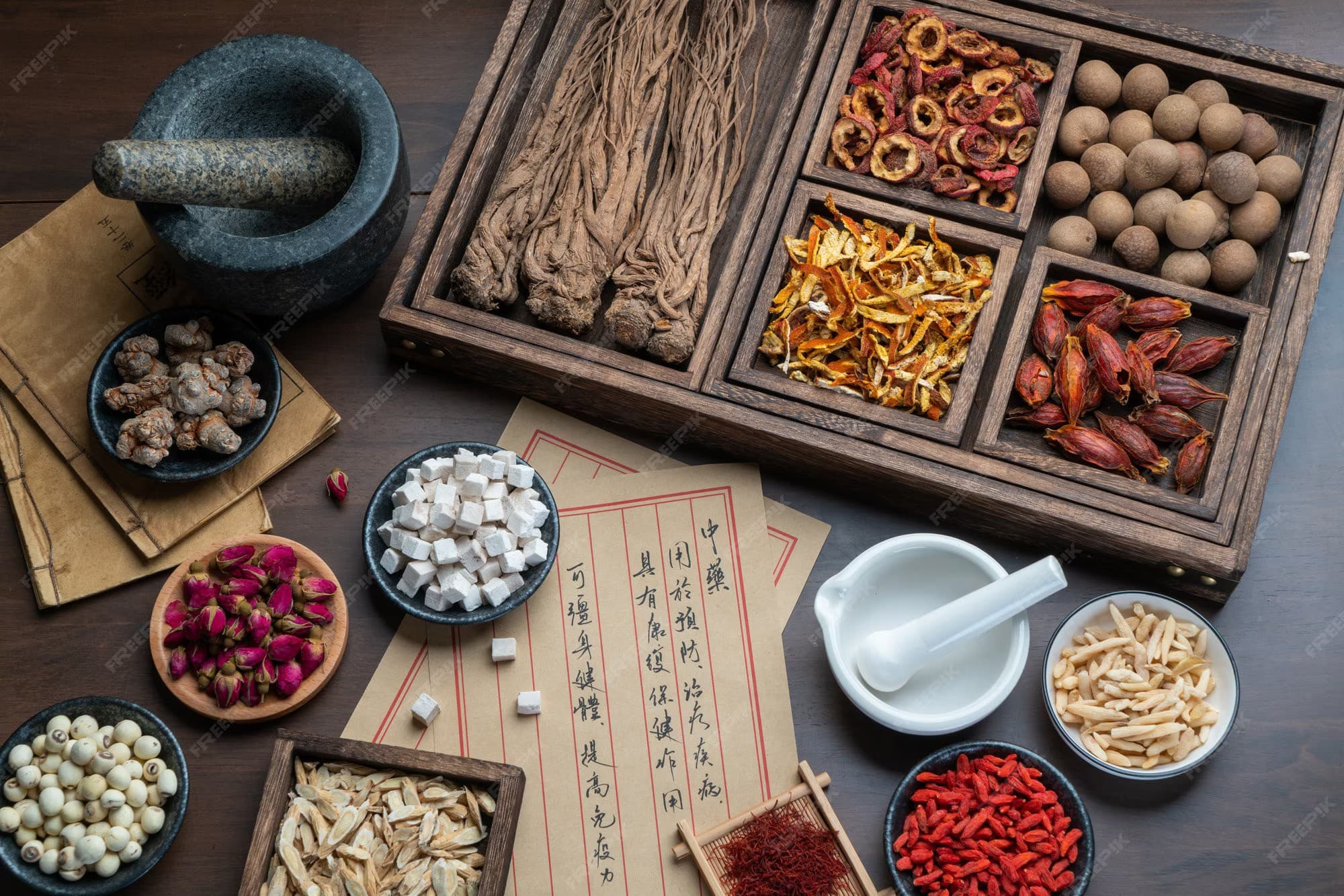
In today’s fast-paced lifestyle, more people in India are turning towards natural healing systems to maintain long-term health. One such ancient practice gaining popularity is Traditional Chinese Medicine (TCM).
With its focus on balance, prevention, and holistic healing, TCM offers a unique approach that feels surprisingly familiar to those who follow Ayurveda.
🧠 What is Traditional Chinese Medicine?
Traditional Chinese Medicine is a healing system that has been practiced for over 2,000 years. It is based on the idea that the body has a vital energy called Qi (pronounced “chee”), which flows through pathways in the body.
According to TCM:
- Good health = smooth and balanced flow of Qi
- Illness = imbalance or blockage in Qi
The main goal is not just to treat symptoms, but to restore overall balance.
🌿 Key Principles of TCM
1. Yin and Yang Balance
TCM believes everything in the body has two opposing forces:
- Yin (cool, calm, passive)
- Yang (warm, active, energetic)
Health depends on maintaining the right balance between the two.
2. Five Element Theory
The body is connected to five elements:
- Wood
- Fire
- Earth
- Metal
- Water
Each element is linked to specific organs and emotions, creating a complete mind-body connection.
💊 Common TCM Practices
1. Herbal Medicine
TCM uses natural herbs to support healing. Popular examples include:
- Ginseng – boosts energy
- Goji berries – support immunity
- Ginger – improves digestion
2. Acupuncture
A well-known TCM therapy where thin needles are placed at specific points to improve energy flow and reduce pain or stress.
3. Cupping Therapy
This involves placing cups on the skin to improve blood circulation and relieve muscle tension.
4. Tai Chi & Qigong
These are slow, controlled exercises that combine movement, breathing, and meditation—great for both physical and mental health.
🇮🇳 Why TCM is Gaining Popularity in India
Indian audiences are increasingly open to TCM because:
- It aligns with Ayurvedic principles
- Focuses on root causes, not just symptoms
- Encourages natural healing and prevention
Many people see it as a complementary approach rather than a replacement for modern medicine.